What Is Laser Vein and Lesion Removal?
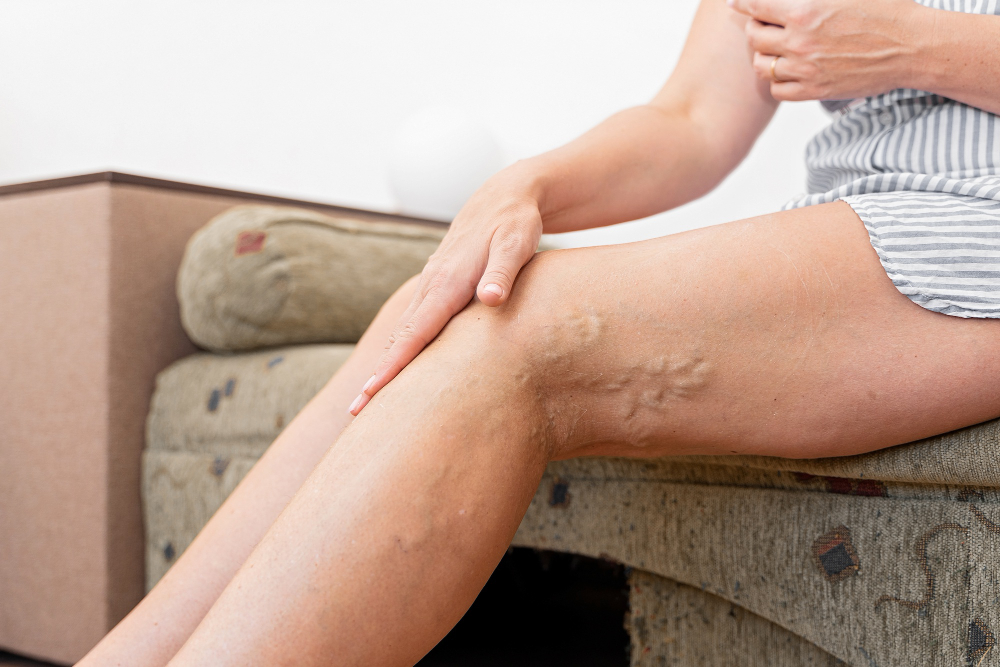
Spider veins are small, visible blood vessels that commonly appear on the face and legs. These delicate veins may look red, blue, or purple and can become more noticeable over time due to factors such as genetics, aging, and sun exposure. Although typically harmless, spider veins and certain vascular lesions can affect the skin’s appearance and may be difficult to conceal.
Flawless Salon and Medical Spa in Butte, MT, offers advanced laser vein and lesion removal using the Harmony XL PRO laser system. Featuring a Long-Pulsed Nd:YAG handpiece, this innovative technology delivers targeted laser energy to reduce the visibility of unwanted blood vessels without surgery. Each treatment is customized to address individual skin concerns and aesthetic goals. Schedule a consultation to learn how laser treatments may help create a clearer, more even-looking complexion.
What Are the Benefits of Laser Vein and Lesion Removal?
Laser vein and lesion removal offers a nonsurgical approach to improving the appearance of visible blood vessels and certain vascular skin concerns. At Flawless Salon and Medical Spa, advanced laser technology provides precise, personalized treatments designed to enhance the skin’s appearance.
Potential benefits include:
- Reduced visibility of spider veins and vascular lesions
- Improved skin tone and a more even-looking complexion
- Noninvasive treatment without surgical incisions
- Minimal downtime for most patients
- Targeted treatment for specific areas of concern
- Customized treatment plans based on individual needs
Am I a Good Candidate for Laser Vein and Lesion Removal?
Laser vein and lesion removal may be suitable for individuals who want to minimize the appearance of small to medium-sized visible blood vessels on the face or body. Spider veins are generally a cosmetic concern, but their appearance can sometimes affect confidence when wearing certain clothing or going without makeup.
Ideal candidates are typically in good overall health, are not pregnant, and do not have certain underlying vascular conditions or blood-clotting concerns. During a consultation at Flawless Salon and Medical Spa, a qualified provider will evaluate the treatment areas, review medical history, and determine whether laser therapy is an appropriate option.
How Does Laser Vein and Lesion Removal Work?
Laser vein and lesion removal sessions at Flawless Salon and Medical Spa typically take approximately 20–40 minutes, depending on the size and number of areas being treated.
Before the procedure begins, the treatment area is carefully cleansed and prepared. A topical numbing cream may be applied when appropriate to help improve comfort. Using the Harmony XL PRO laser system, the provider delivers controlled pulses of laser energy directly to the targeted blood vessels.
The laser energy is absorbed by the blood within the vessels, generating heat that causes the treated veins to close. Over time, the body naturally breaks down and absorbs these vessels, gradually reducing their appearance.
Most patients can leave shortly after treatment and resume many of their usual daily activities.
What Can I Expect After Laser Vein and Lesion Removal?
Following laser vein and lesion removal, mild redness, swelling, or bruising may develop around the treated area. These temporary effects generally improve within several days, although recovery experiences vary.
Most patients can return to their regular routines soon after treatment. However, strenuous exercise, excessive heat, and direct sun exposure may need to be avoided for a short period, depending on the provider’s recommendations.
Visible improvements typically develop gradually as the body absorbs the treated blood vessels over the following weeks. Some patients may require multiple sessions to achieve their desired results, depending on the size, location, and number of veins being addressed.
Laser Vein and Lesion Removal FAQs
How Much Does Laser Vein Removal Cost?
The cost of laser vein removal at Flawless Salon and Medical Spa depends on several factors, including the number of veins being treated, their size and location, and the number of sessions recommended. During the initial consultation, a provider will evaluate the areas of concern and develop a personalized treatment plan with an estimated cost. Various payment options may be available, along with occasional treatment specials.
Should I Choose Laser Vein Removal or Sclerotherapy?
Both laser vein removal and sclerotherapy can help reduce the appearance of unwanted veins, but the most appropriate option depends on the type, size, and location of the affected blood vessels.
Laser vein removal uses concentrated light energy to target visible vessels and may be particularly useful for certain facial and smaller leg veins. Sclerotherapy involves injecting a specialized solution into the affected vein, causing it to close and gradually fade. A consultation can help determine which approach is better suited to your individual concerns.
Will the Treated Veins Completely Disappear?
Laser treatment works by delivering targeted energy to visible blood vessels, causing them to close and gradually be absorbed by the body. Some treated veins may fade significantly or disappear, while others may require additional sessions. Improvements often become noticeable over approximately 4–6 weeks, although results and treatment timelines vary. New spider veins may also develop in the future.
What Areas Can Be Treated With Laser Vein Removal?
Laser vein removal can address certain visible blood vessels in several areas of the face and body. Common treatment areas include:
- Cheeks and nose
- Upper and lower legs
- Thighs
- Ankles
- Other areas with suitable superficial vascular lesions
The provider will assess each area to determine whether laser treatment is appropriate.
Is Laser Vein Removal Painful?
Most patients describe laser vein removal as producing a brief snapping, warming, or tingling sensation against the skin. Discomfort is generally manageable, and cooling techniques may be used to help protect the surrounding skin and improve comfort during treatment.
Sensitivity varies depending on the treatment area and individual pain tolerance. A topical numbing cream may also be recommended when appropriate to make the experience more comfortable.